

Thermal Insulation Performance
Keep indoor temperatures stable and energy bills low with high-performance aluminum systems.
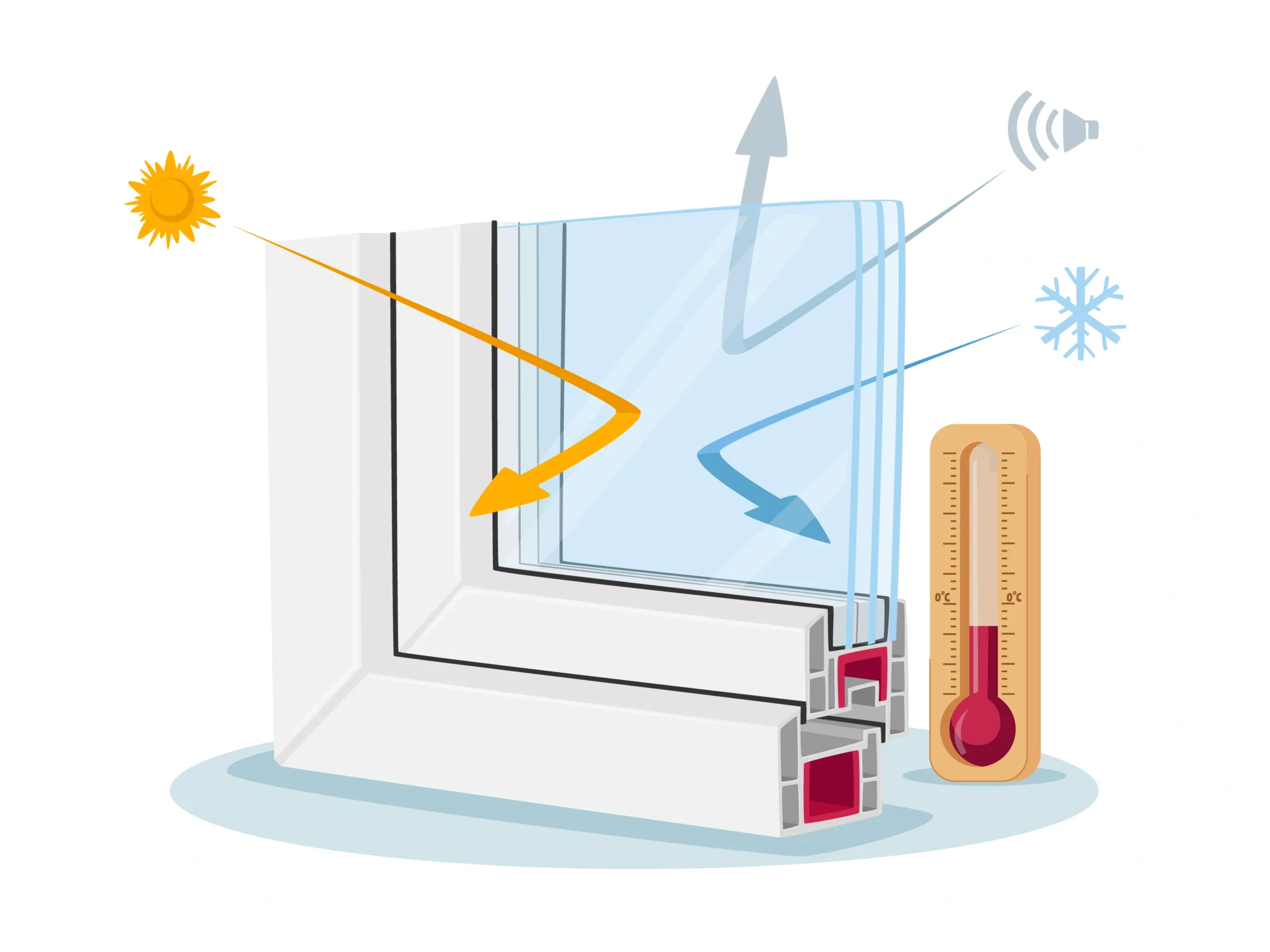

What Is Thermal Insulation?
Thermal insulation is a window or door system’s ability to resist heat transfer, keeping indoor temperatures stable and energy costs low. Key features include:
Thermally Broken Frames – Prevent heat from conducting through aluminum profiles.
Low-E Insulated Glass – Reflects radiant heat for year-round comfort.
Multi-Layer Seals – Reduce air leakage and improve airtightness.
Reduced Thermal Bridging – Precision-engineered frames maintain consistent insulation performance.
Benefits:
Stable indoor temperature in all climates
Lower heating and cooling costs
Improved energy efficiency and comfort
How Our Systems Improve Thermal Performance
Our high-performance window and door systems are engineered to keep indoor temperatures stable and energy costs low.
From Multiple Functions to One Integrated Solution
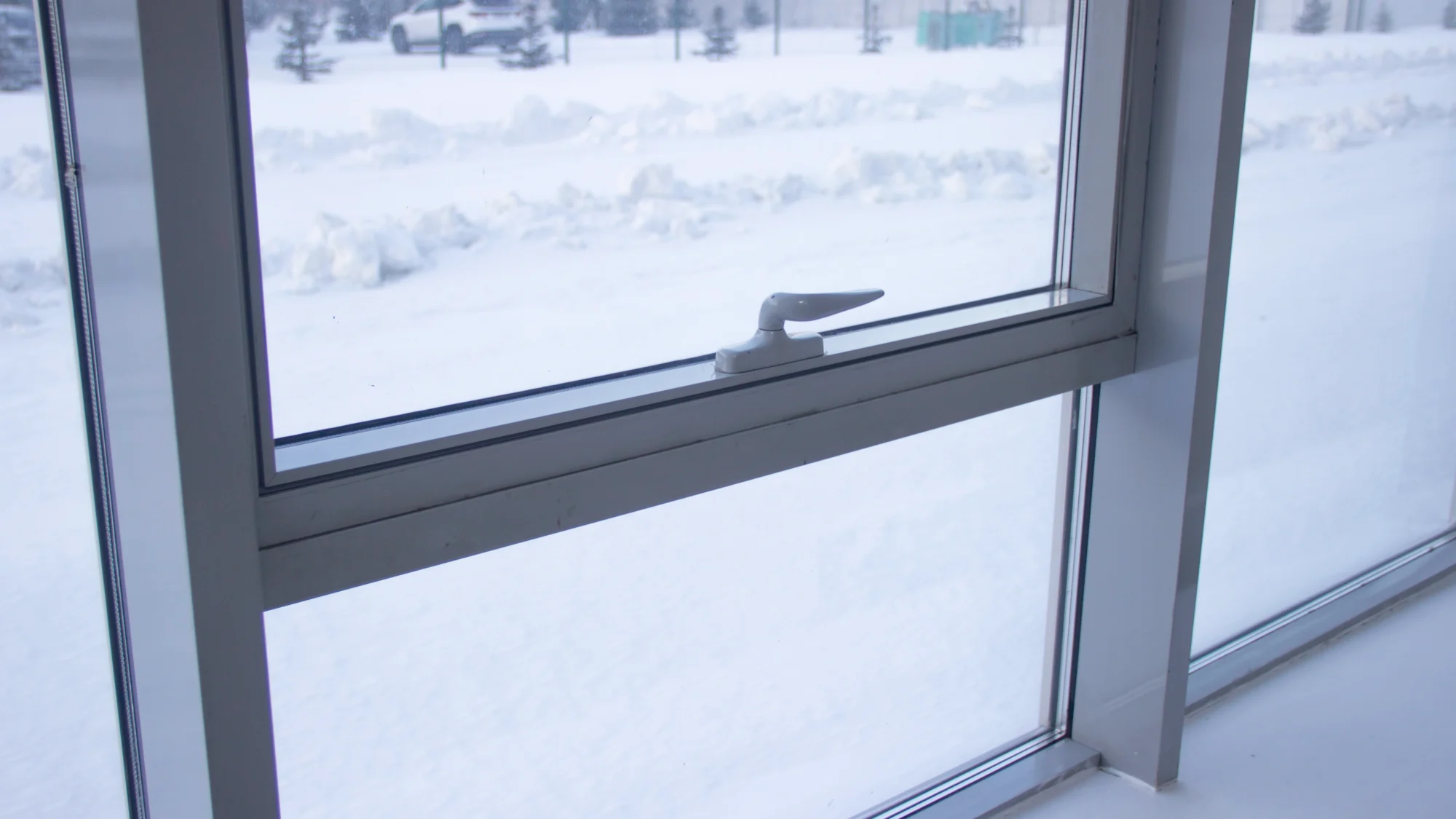
Aluminum Windows & Doors – Typical Performance
Curtain Wall Systems – Typical Performance

Project Showcase
Frequently Asked Questions
Find clear answers to common questions about system performance, customization, installation, and project support—helping you select the right solution with confidence.
What is U-value and why does it matter for windows and doors?
U-value measures heat transfer. A lower U-value means better insulation and higher energy savings.
What is the recommended U-value for my region?
It depends on climate regulations (e.g., North America NFRC, Europe EN standards). We can recommend region-optimized configurations.
What is SHGC and how does it influence comfort?
Solar Heat Gain Coefficient indicates how much solar heat enters. Lower SHGC is ideal for hot climates.
What certifications ensure thermal performance?
Common standards: NFRC, CSA, EN ISO 10077, Passive House Institute.
What glazing options offer the best insulation?
Double glazing with argon gas is standard; triple glazing provides even better performance for cold regions.