
Acoustic Insulation
Keep exterior noise under control and create quieter indoor spaces with high-performance aluminum window and curtain wall systems.

What Is Acoustic Insulation?
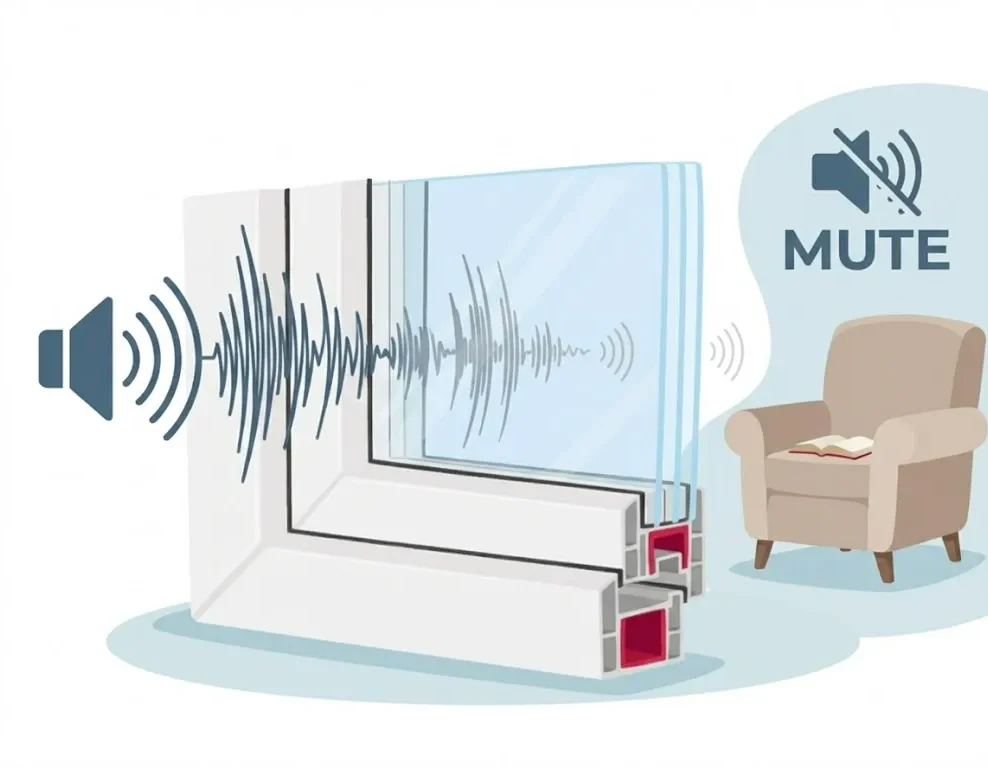
Acoustic insulation is a window or door system’s ability to reduce sound transmission, keeping outdoor noise out and indoor spaces quieter and more comfortable. Key features include:
Multi-Chamber Frames – Break up sound paths through the aluminum profiles and help dampen vibration.
Acoustic Laminated Glass – Special interlayers absorb sound energy and reduce overall dB levels.
Multi-Layer Seals & Gaskets – Close gaps around sashes and frames to block air-borne noise leakage.
Optimized Frame–Glass Interface – Precision-engineered joints minimize sound bridges between glass and frame.
Benefits:
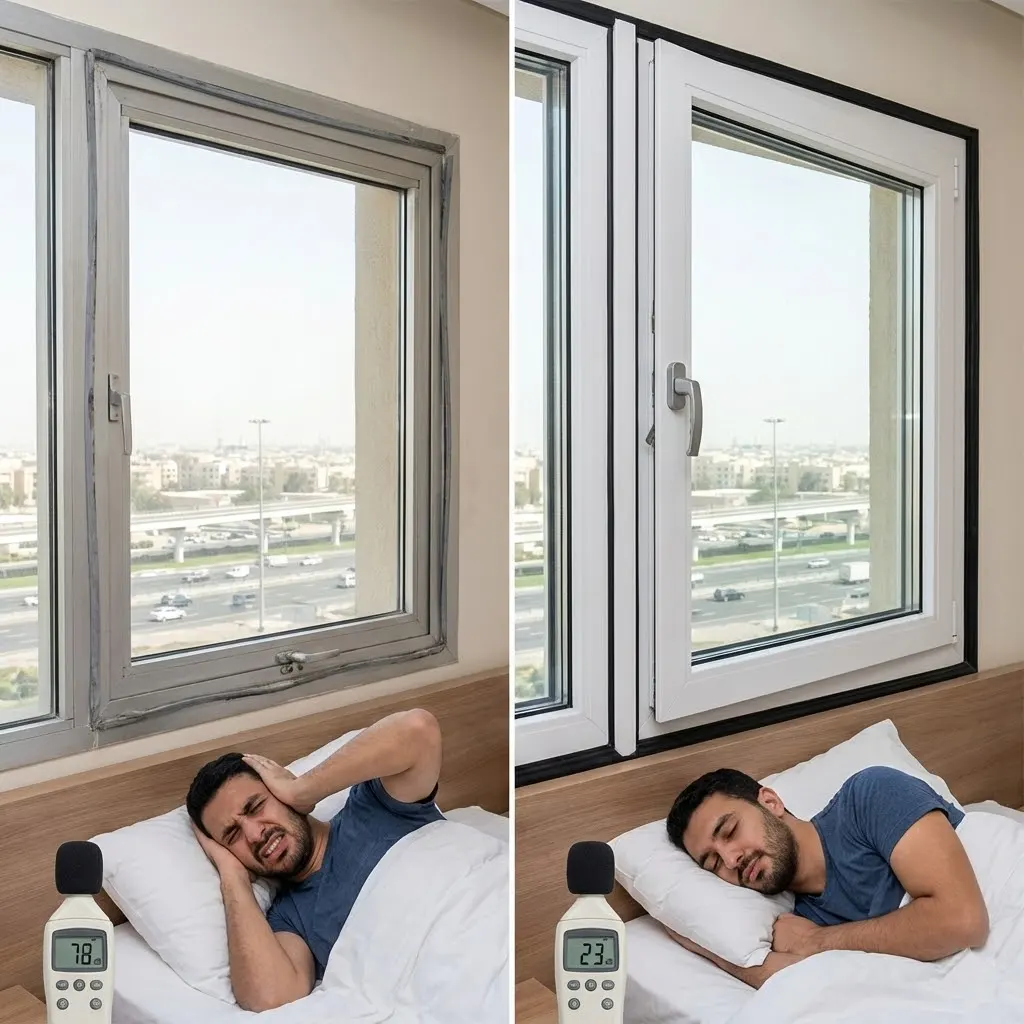
Quieter indoor environment in busy urban, traffic or airport areas
Better privacy for bedrooms, offices, hotels and meeting rooms
Improved comfort, concentration and guest satisfaction
How Our Systems Improve Acoustic Insulation
Our aluminum window and curtain wall systems combine engineered profiles, glazing build-ups and installation detailing to deliver reliable sound insulation in demanding locations.
From Multiple Functions to One Integrated Acoustic Solution
Aluminum Doors & Windows — Typical Acoustic Performance
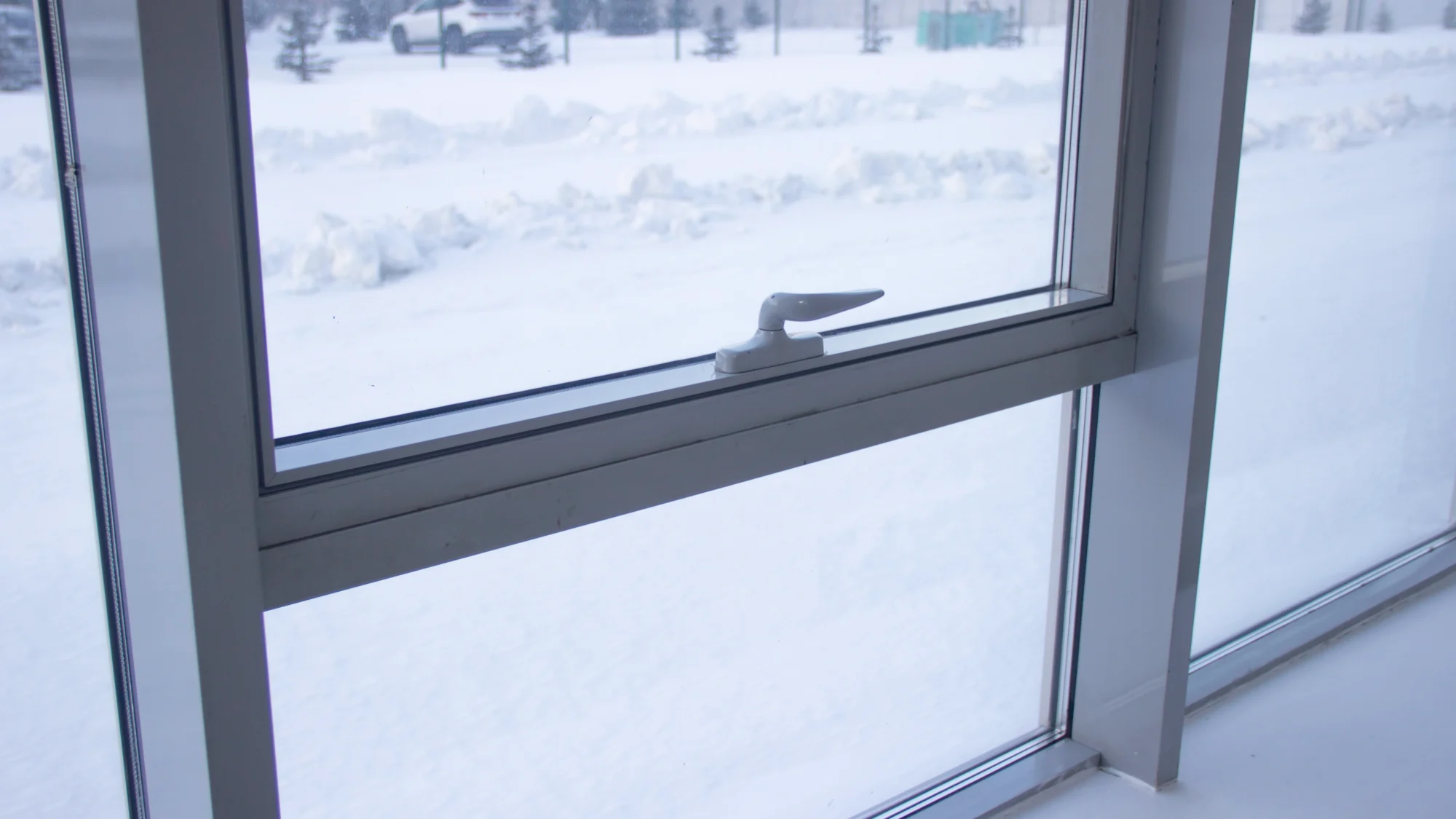
Well-designed aluminum windows and doors can significantly cut exterior noise when combined with the right glazing and sealing details. With acoustic laminated IGUs and multi-layer gaskets, our systems can:
Achieve Rw / STC ratings in the mid to high dB range (exact values depend on configuration).
Reduce traffic, rail or street noise to a more comfortable background level.
Provide quieter interiors for bedrooms, offices, classrooms and hotel rooms.
Curtain Wall Systems — Typical Acoustic Performance
Curtain wall façades must balance transparency with acoustic protection. By optimizing mullion/transom design, glass build-ups and perimeter joints, our curtain wall systems can:
Deliver project-specific Rw / STC performance for noisy urban and roadside sites.
Limit flanking noise through façade joints, slab edges and panel interfaces.
Help building owners meet local acoustic requirements and improve tenant comfort in open-plan offices, lobbies and public areas.

Project Showcase
Frequently Asked Questions
Find clear answers to common questions about acoustic insulation, system design, glazing choices and installation—helping you select the right noise-control solution with confidence.
What is an acoustic rating (Rw / STC) and why does it matter for windows and doors?
An acoustic rating such as Rw (commonly used in Europe) or STC (used in North America) tells you how much sound a window or door system can block.
Higher values mean better noise reduction and quieter interiors.
A well-designed acoustic window or curtain wall system helps to:
Reduce traffic, rail and street noise entering the building
Improve comfort and privacy in bedrooms, offices and hotel rooms
Support compliance with local noise regulations and project requirements
How much noise reduction can I expect from your systems?
The exact noise reduction depends on the system type, glass build-up and installation quality. With acoustic laminated IGUs and appropriate frames, our aluminum windows and curtain walls can:
Achieve significantly higher Rw / STC values than standard double glazing
Reduce typical urban noise to a more acceptable background level
Be configured for project-specific targets, for example for roadside hotels, schools or offices
For a precise dB figure, we recommend sharing your project requirements so we can propose a tested or simulated configuration.
Which glazing options provide the best sound insulation?
For acoustic performance, glass choice is critical. Common high-performance options include:
Acoustic laminated glass – PVB or special acoustic interlayers absorb sound energy and improve dB ratings.
Asymmetric insulated glass units (IGUs) – Different glass thicknesses on each side target a wider range of noise frequencies.
Wider cavities and gas-filled IGUs – Larger air spaces and optimized spacers further reduce sound transmission.
We combine these glazing options with suitable frame systems and gaskets to create a balanced acoustic package.
How do installation details affect the overall acoustic result?
Even the best acoustic glass and frames can underperform if the installation is not done correctly. Important factors include:
Perimeter sealing – Continuous backer rods and sealants to close gaps between frame and wall
Correct fixing and packing – Avoiding rigid bridges that can transmit vibration
Treatment of joints and interfaces – Careful detailing at slab edges, mullion joints and connection to other façade elements to limit flanking noise
We provide installation guidelines and can work with your façade contractor to ensure that the on-site installation matches the acoustic performance of the tested system.